


Learn the easy recipe for Idli Dosa Batter, along with tips and tricks for grinding it in a blender and fermenting it to perfection. This batter will result in soft, spongy idlis and perfect crispy dosa.
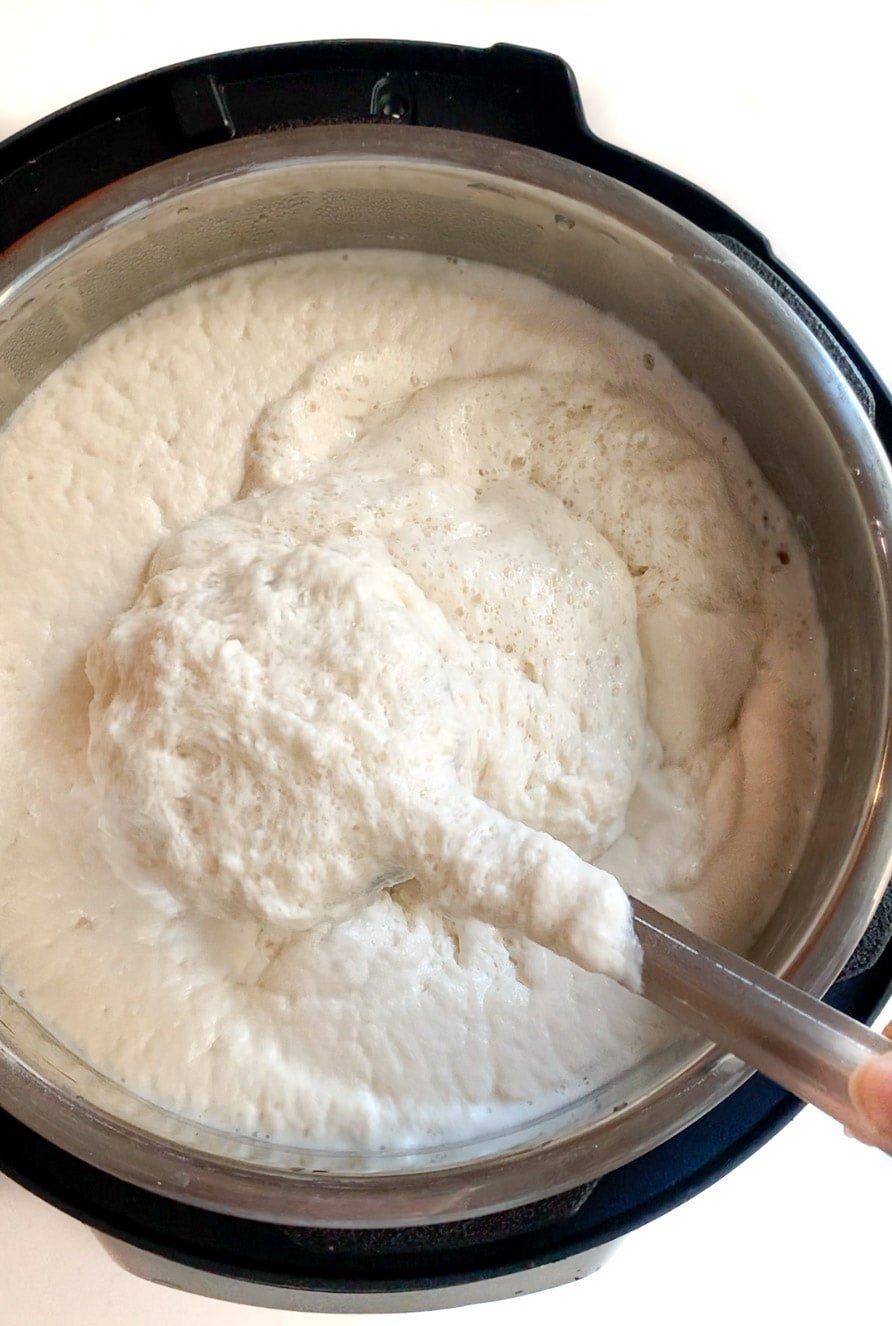
Table of contents
Idli and Dosa are traditional South Indian foods, which are also popular all over India. The only way to get the best idlis is to have perfectly fermented batter.
Idli is a savory rice cake made by steaming a batter consisting of lentils and rice. Dosa is a crispy crepe made with the same batter of lentils and rice.
Being a North Indian, my mom did not make idlis from scratch at home. Mostly, we would use store-bought batter to make idlis and dosas. Hence, making idli dosa batter is something I had to learn for my love of South Indian food.
I used to have a hard time getting the batter right. Sometimes it would not ferment and rise enough, and at other times it would be perfect, keeping me wondering what went wrong. But eventually, now I can make perfect batter every time. So here I will share all the lessons I have learnt from all the times I have made Idli Dosa Batter.
Fermenting batter is difficult in colder places like the US, especially during the winter months. But guess what…the Instant Pot can come to the rescue here, too. If you don’t have an Instant Pot, you can also use the oven to ferment batter.
The idlis will be soft and fluffy if the batter is fermented well. It does take some practice to get the batter right. Even if the batter does not come out perfectly fermented, it is always great to prepare dosa.
Usually, batter is prepared once for the week and used multiple times. Prepare idlis initially, as they come out soft with fresh batter. When I prepare the batter, I first use it to make idlis, then to make dosas, and any leftover batter to prepare uttapam. All of these meals can be enjoyed with sambar and chutney.
Each state, or family in South India, has a different recipe or proportion they prefer for the batter. Some also make a different batter for idlis and for dosas. I am sharing the recipe for Idli Dosa Batter that works for me. If you plan to make only dosa, check out this recipe for crispy dosa and masala dosa!
How to make perfect Idli Dosa Batter?
Here you can find all the details to get the batter right on the first attempt. This is based on all the learning from making this batter weekly.
Dal and Rice for Batter
To make Idli Dosa Batter, you need Idli rice and Urad dal.
Idli rice is very different than basmati rice; it is short-grain parboiled rice, which gives the best results. But if you can’t find it, look for any parboiled rice, or use sona masoori or kollam short-grain rice.
Tip: Do not use idli rice to make rice to be eaten with a curry. My mother-in-law was curious, so she tried, but they did not taste good.
Urad Dal is skinned black gram lentils. You can use the whole lentils called urad dal gota or split urad dal.
I also add fenugreek seeds (methi seeds) when making the batter. This was a tip from my South Indian friend’s mom, that it helps with fermentation.
I did not include poha (also called flattened rice) in this recipe, but some people like to add it. It can help to keep the idlis light and fluffy. If you like, add 1/4 cup of poha to the soaked rice.
Idli Batter Dal Rice Ratio
The next step is to determine the best ratio of dal to rice. The ratio of dal to rice is 1:4.
You can also make batter with a 1:3 dal-to-rice ratio; however, the idlis are not as soft as with the 1:4 ratio.
Rinse the rice until the water runs clear. Then soak the idly rice in a bowl with enough water.
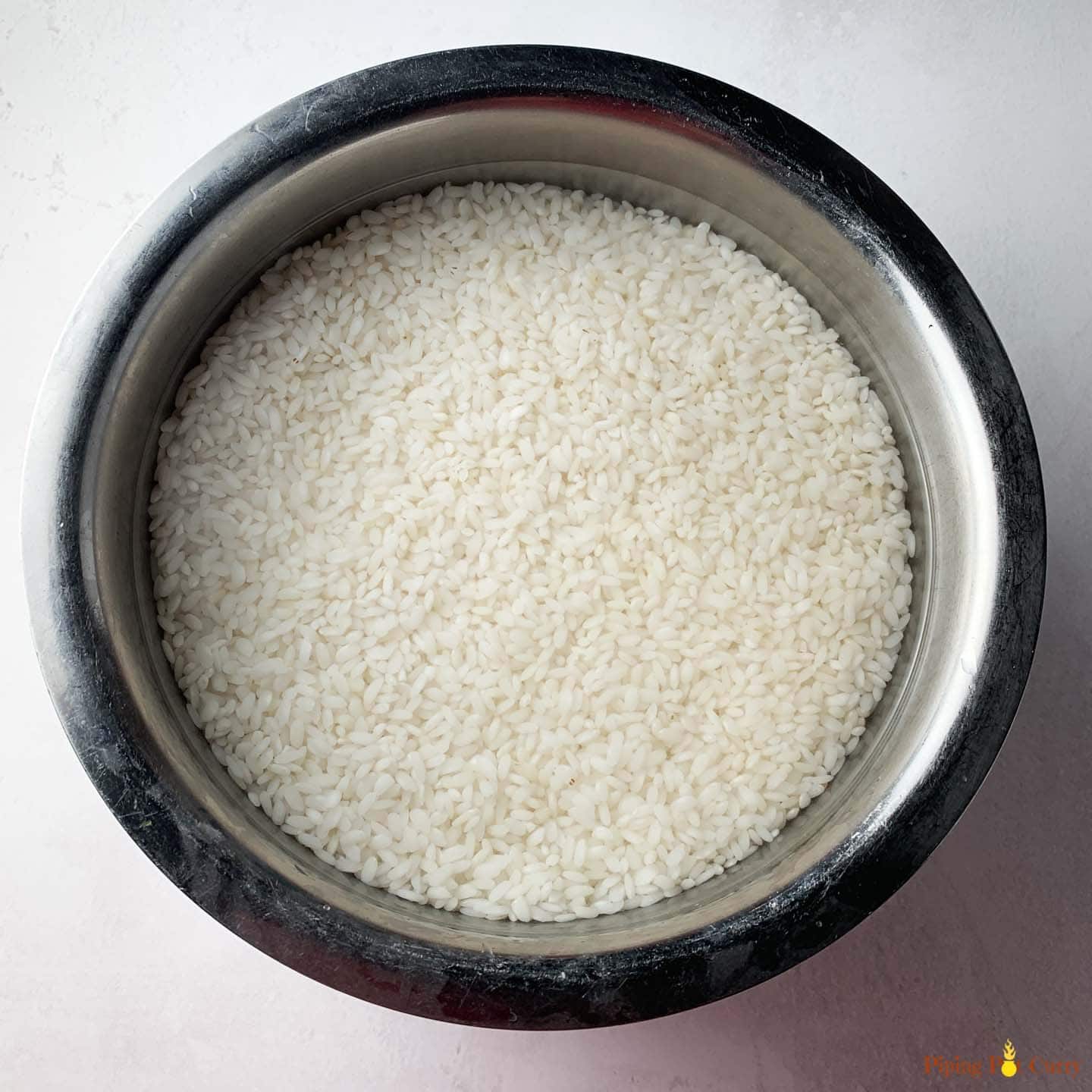
In a separate bowl, rinse and soak urad dal. Add 1 teaspoon of fenugreek seeds to the soaked urad dal.
It is important to soak the dal and rice separately. The reason is that they need different grinding times, so if we soak and grind together, we might not get the ideal result.
Leave the rice and lentils soaked for 4 hours or overnight.

Grinding the batter
In South India, people use a wet grinder to grind idli batter. However, I personally don’t want to have a separate gadget just to make batter, so I use a high-performance blender (Vitamix) to grind the batter. You need a strong grinder that can make the batter very fine without heating it up.
In India, most people have a mixie (short for mixer grinder) at home. These mixies are often not high-performance, and can heat the batter too much, which can hinder proper fermentation. If you have to use a mixer to grind the batter, then grind in small quantities and add ice-cold water to keep the batter cool.
The best way is to grind rice and dal separately and then mix them together.
Drain the water from the soaked urad dal. Add the urad dal to the Vitamix and grind it to a smooth batter. Add cold water or ice as needed when grinding the batter. It is important to add cold water, as we don’t want the batter to heat up, as that can hinder proper fermenting.
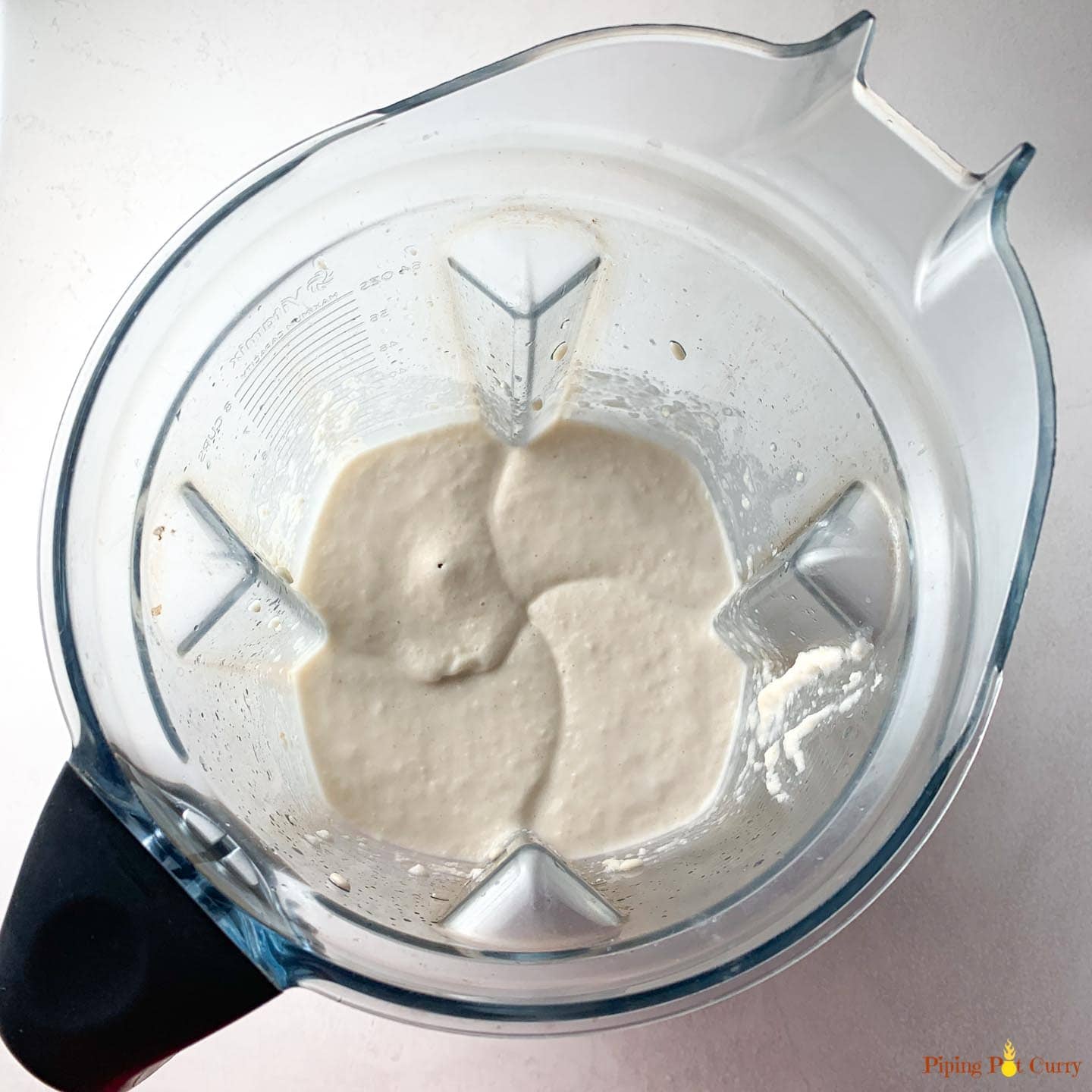
The batter should neither be thick nor runny. It should also not be thick; it should be fluffy. I added about 1/2 to 3/4 cup of water and ran the Vitamix for less than a minute. Transfer the batter to a large bowl (or instant pot steel insert if fermenting in an instant pot).
Now, drain the soaked rice and add it to the same blender. Grind the rice to a slightly coarse batter, again adding cold water or ice as needed. I added about 1.5-2 cups of water when grinding the rice and ran the Vitamix for less than a minute. The slightly coarse batter with a little bit of texture helps create structure and crispiness in dosas.
Transfer the batter to the same bowl or to the Instant Pot’s steel insert.
Add rock salt and mix the batter well. Use non-iodized salt (rock salt), as iodized salt can hinder the fermentation of the batter.
I got the tip from my friend that you should mix the batter well with your clean hands, as that adds a little warmth.
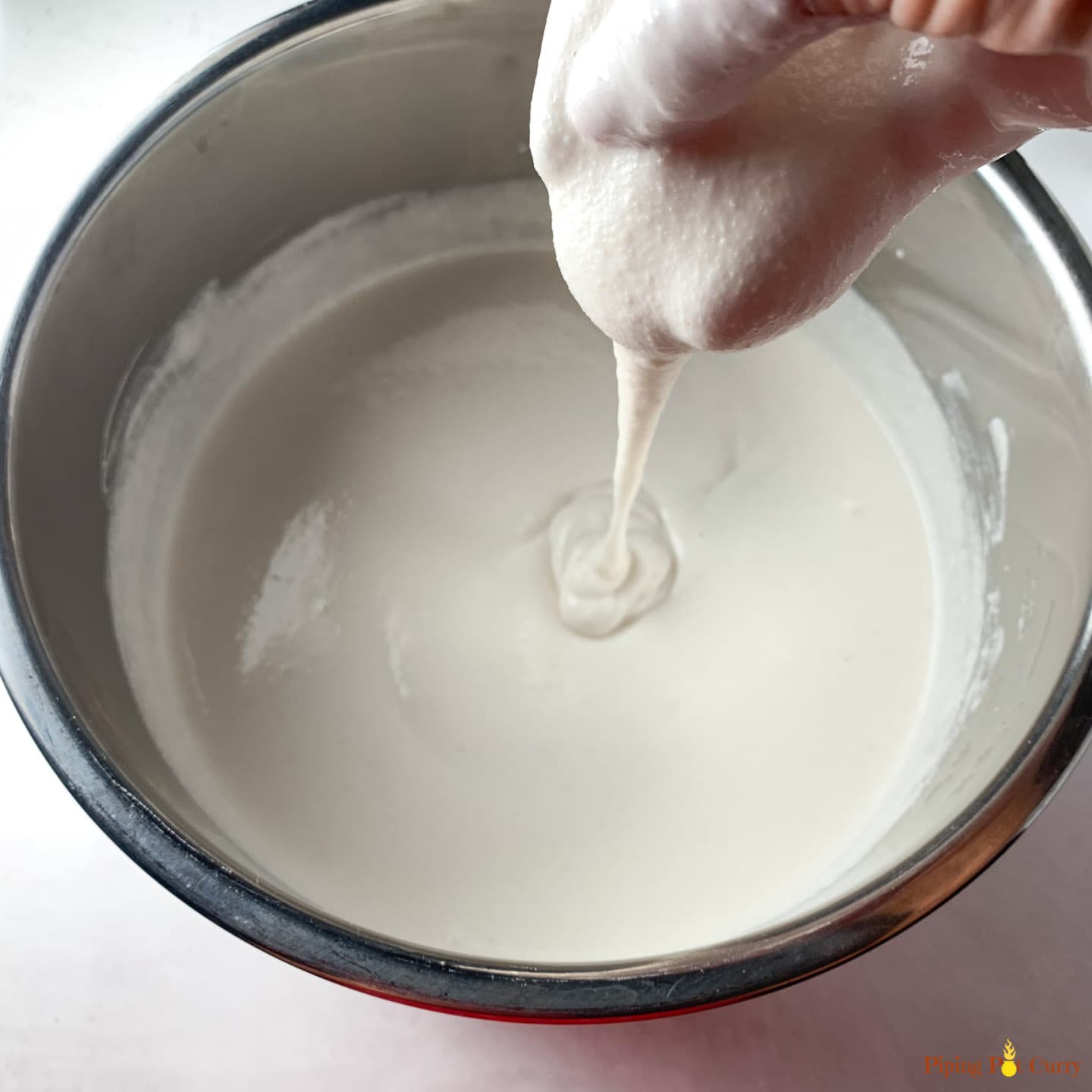
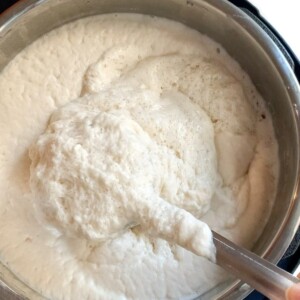
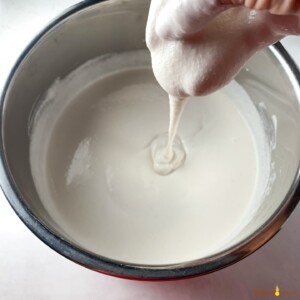
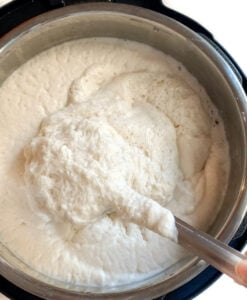
The consistency of the batter should be as shown in the picture below. Flowing easily, not runny or too thick. If yours is thick, then add some ice cubes or cold water and mix well with your hands.
Fermenting the batter
You can ferment the batter in a warm place. In normal or warm climate regions, you can ferment on the countertop. It can take anywhere from 8 hours to overnight to ferment the batter, depending on the outside temperature.
However, in cold regions, you can keep the batter to ferment in the oven with the lights on. The light gives enough warmth to ferment the batter. When I keep it in the oven, it takes about 12 hours to ferment the batter well.
If you have an Instant Pot, you can use the “Yogurt” mode to ferment the batter.
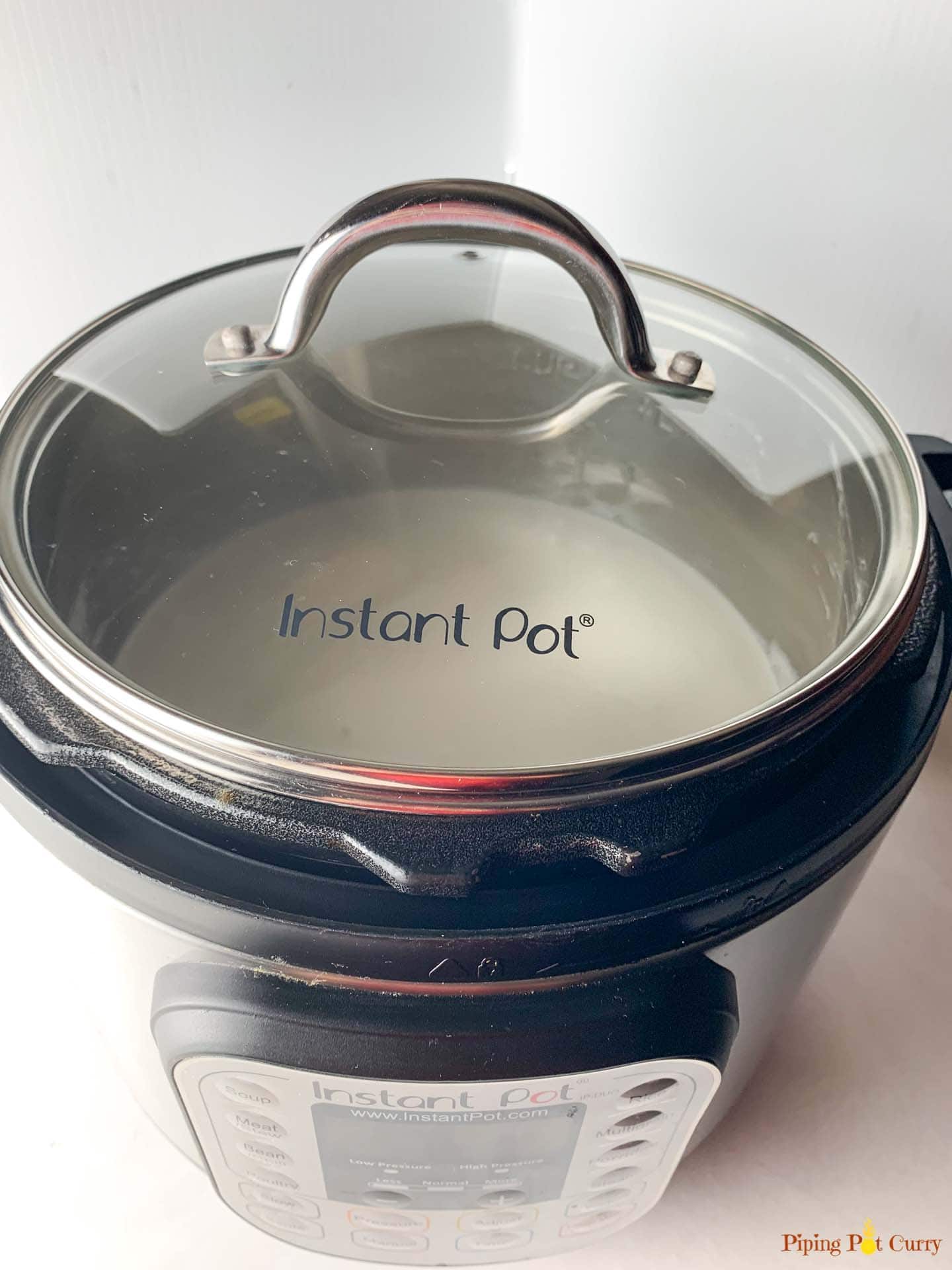
Start the Instant Pot in the “Yogurt” mode on the normal setting. Press “Adjust” until the display shows 8 hours. Then press “+” to change to 12 hours. Cover the Instant Pot with a glass (or steel) lid and let the batter ferment.
It is important to use a glass lid, and not the Instant Pot lid, as sometimes the batter can overflow and lock the lid.
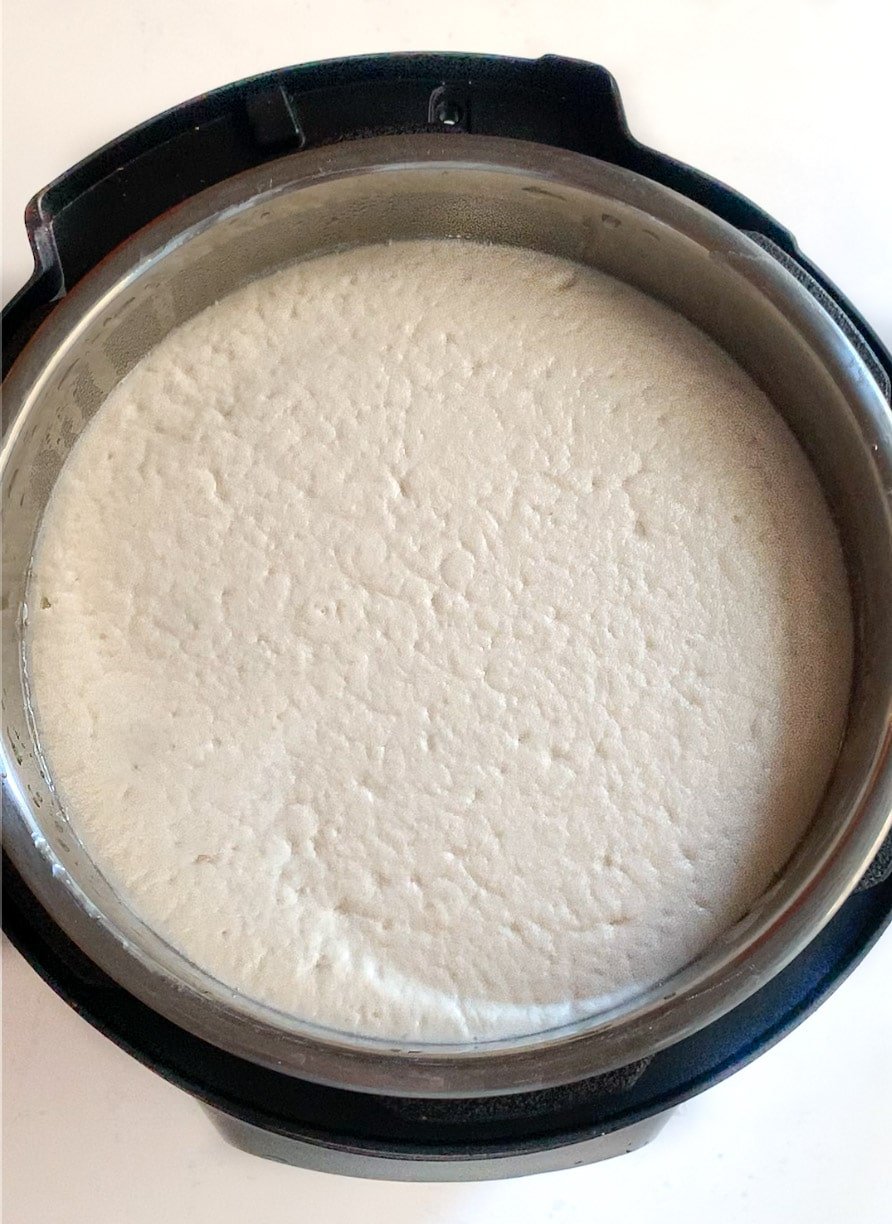
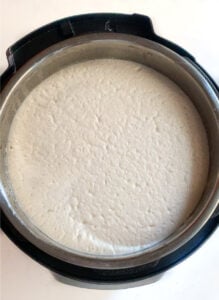
After 10 hours, the batter should have risen, which means it has increased in volume. If it has not risen enough, place the glass lid back on and leave for a couple more hours.
It would be frothy on the top and airy with some bubbles.
Fermenting the batter in the oven
If you don’t have an Instant Pot, you can ferment the batter in the oven. I usually just turn on the oven light, which gives the batter enough warmth to ferment. Place the pot covered with a lid just below the oven light. Leave it overnight or for 10 hours in the oven to ferment the batter.
After 10 hours, the batter should have risen well. If it has not risen enough, leave for a couple of more hours.
The batter is ready to use. Use it right away to make idli or cover it and store it in the refrigerator.
Pro-Tips for Perfect Batter
Cold Water: Use very cold water or ice cubes when grinding the batter, as that helps prevent the batter from heating up.
Avoid Overfermentation: Make sure to refrigerate the batter once it is fermented. You don’t want to leave it out on the counter longer than needed.
Utensil Size: Use a pot at least double the size of the amount of batter you keep to ferment. This will ensure there is ample space for the batter to ferment, and it will not overflow.
Dosa: To prepare dosa, add some water and make the batter consistency thinner. Mix gently and prepare dosa.
Quantity: Do not increase the quantity much more than suggested in this recipe. I have seen some posts where the batter has risen too much, and the Instant Pot has locked. I also recommend using a glass lid to close the Instant Pot in yogurt mode when making batter.
Using the batter: Prepare idli initially as they come out soft with fresh batter. Do not mix the whole batter; take out the required amount you need to prepare the idlis in a separate bowl.
Instant Pot Method: One disadvantage of using the Instant Pot to prepare batter for me is that the insert is now used for the batter and cannot be used for other things I want to prepare in the Instant Pot. Hence, many times, I ferment the batter in the oven.
If you need the instant pot insert for other preparations, you have to remove the batter to another vessel. This is not ideal as the fermented batter is disturbed. However, it has still worked fine. Just remove the batter slowly without mixing it and store it in another pot or box. Mix it gently when you are ready to prepare the idlis.
Common Questions
There is no direct substitute for methi seeds. You can skip them and still make the batter.
There could be many reasons for this.
1. Always use non-iodized salt. Adding iodized salt can hinder fermentation.
2. The batter sometimes gets too warm when grinding. Add ice-cold water or ice cubes when grinding in a high-powered blender.
3. The batter should also not be too thick or too runny. It does not ferment well if it is not the right consistency.
4. Mix the batter with clean hands before fermenting. This helps with fermentation.
5. The right amount of warmth is needed. If you live in a cold place, it can take longer to ferment. Place the batter in the oven with the light turned on.
There is good news here. Even if the idlis don’t turn out soft. The batter works well for dosa and uttapam. Here is my recipe for dosa and uttapam, where you can check how to make dosa.
Making Idli & Dosa with this batter
You grease the idli molds with ghee or oil. Then add a small amount of batter to each mold.
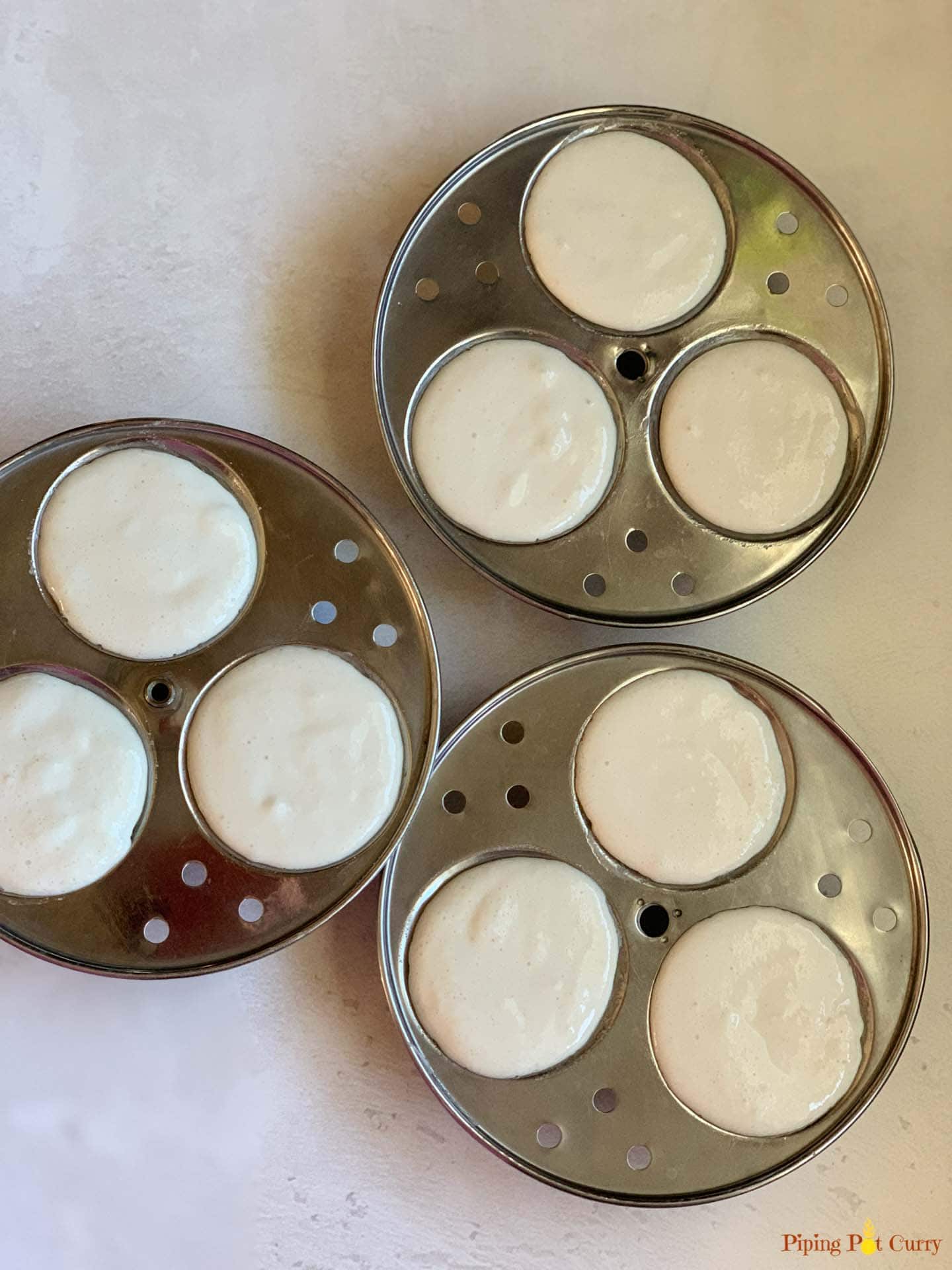
You can steam the idlis in a stovetop idli stand, such as the one below. Add water to the bottom of the stand. Then cook for 12 minutes on a high flame.
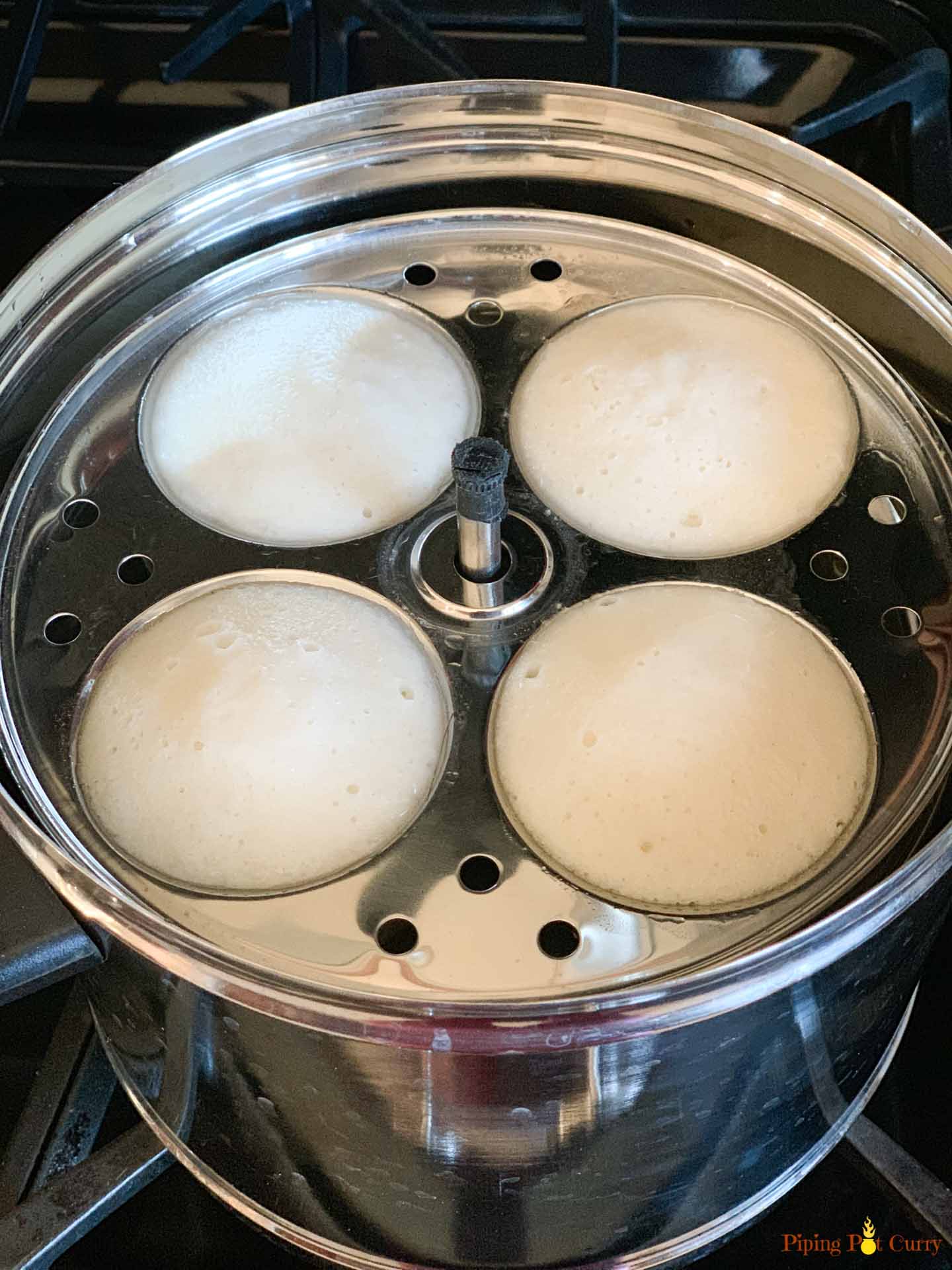
If making in the Instant Pot, add 1.5 cups of water to the Instant Pot’s steel insert and let it boil in the Sauté mode. Place the idli stand in the Instant Pot and cook it in steam mode in the venting position.
Note that the Instant Pot timer does not work in the venting position, so you need to use a separate timer. In 12 minutes, the idlis will be ready.
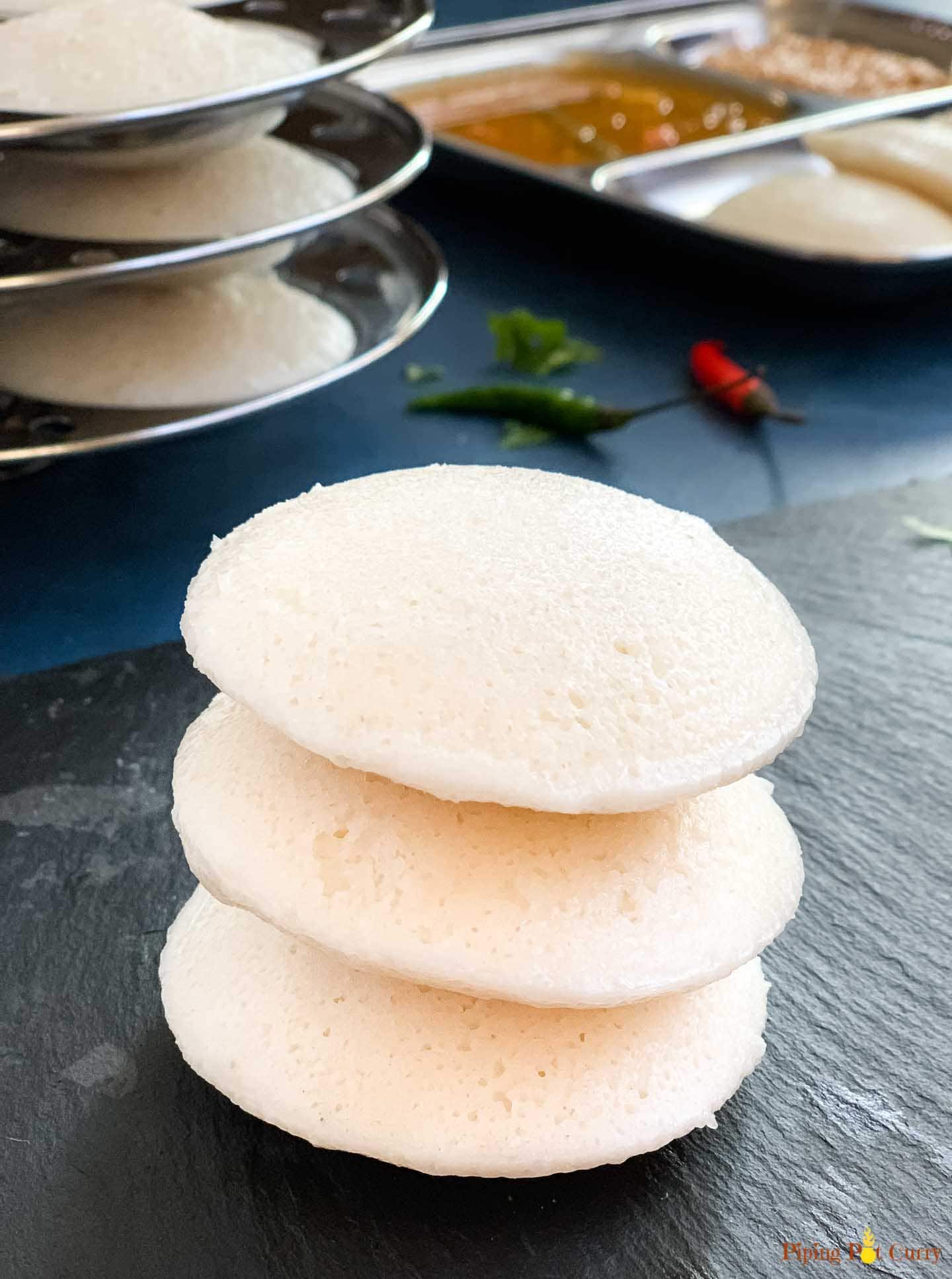
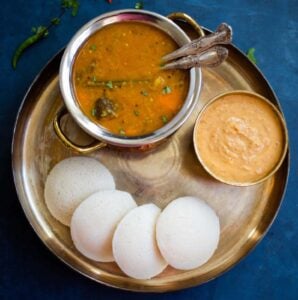
Let it stand for 5 minutes, then take the idli out of the mold. Enjoy with sambar and coconut chutney.
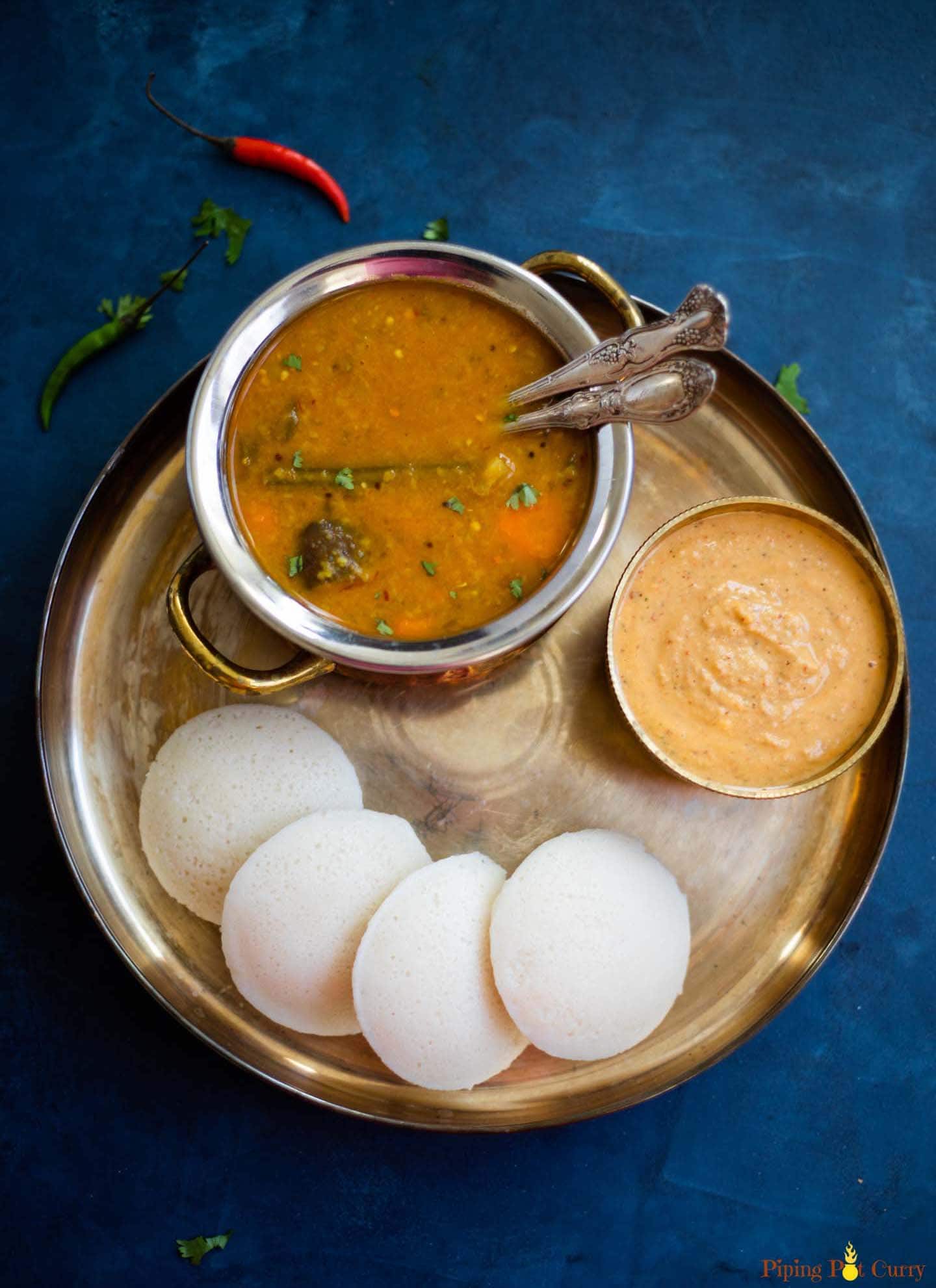
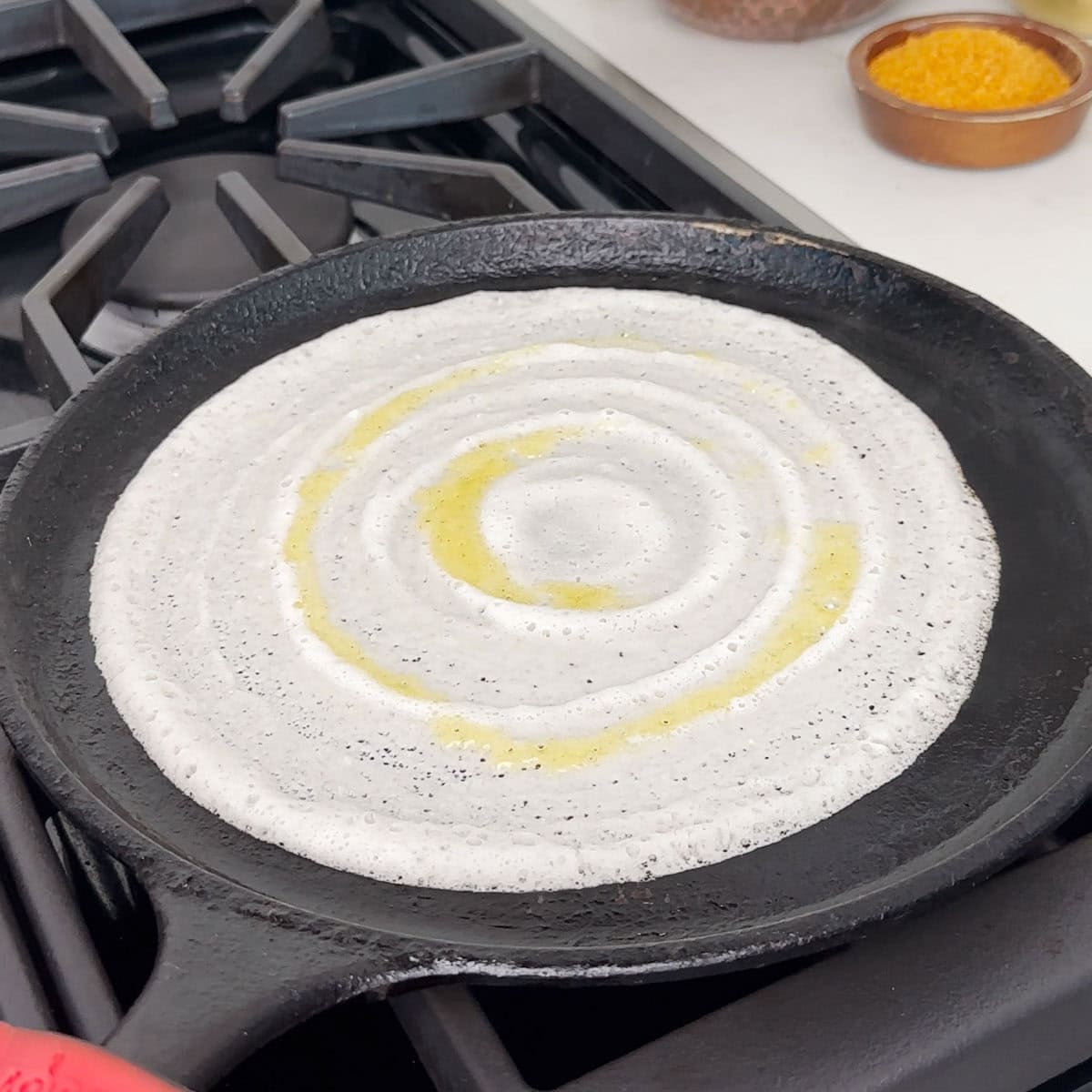
You can use this same batter to make dosa. If the batter seems thicker, you can mix a little water and stir well before making dosa. The batter is spread on a griddle to make dosa, which is why it needs a thinner consistency. I also like to make podi dosa and uttapam with this batter.
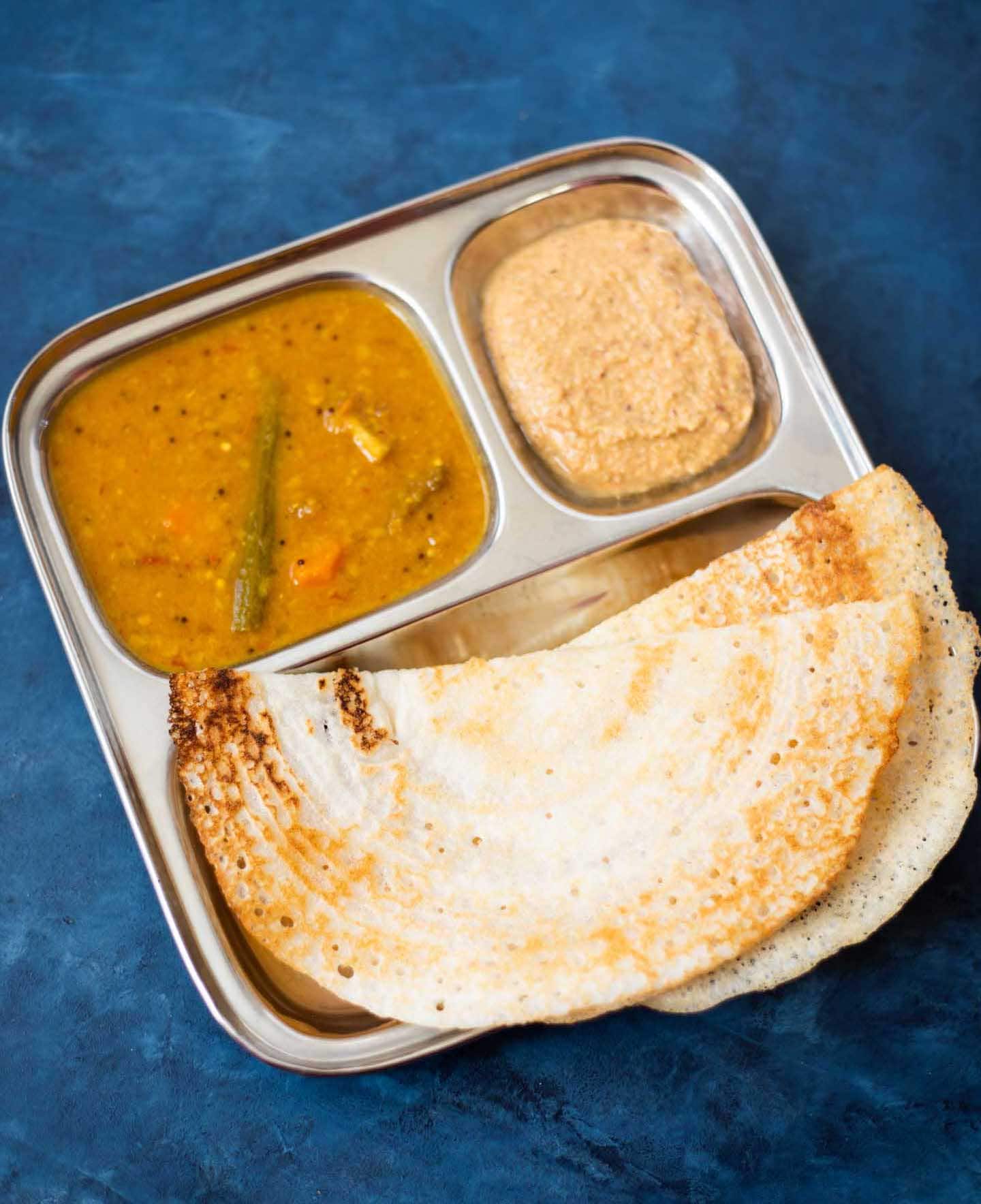
Serve dosa hot with sambar and chutney. Make dry potato bhaji to stuff in the dosa.
Storing Idli Dosa Batter
I like to prepare idli dosa batter once on the weekend and use it for the whole week to make idli, dosa, and uttapam.
Initially, right after the batter is fermented, make idlis. This helps to get the best idli with the freshly fermented batter.
Then I use the batter for the rest of the week to make dosa for lunch or dinner. And onion tomato uttapam for breakfast on another day.
You can store this batter in the refrigerator for up to 5 days.
Hope you try this Idli Dosa Batter. Please do let me know if you have any questions as you try this recipe. I would be happy to clarify and add more details.
Instant Pot Sweet Pongal (Sakkarai Pongal)
Millet Upma (Samai Upma)
Beans Poriyal (South Indian Green Beans)
Instant Pot Bisi Bele Bath
Failproof Idli Dosa Batter
Video
Equipment
Ingredients
- 4 cup Idli rice
- 1 cup Urad Dal, whole or split dehusked black gram lentils
- 1 teaspoon Fenugreek seeds (Methi dana)
- 2 teaspoon Rock Salt, non-iodized
- Water, cold, as needed
Instructions
Soaking
- Rinse urad dal with water until the water runs clear. Then soak it in a bowl with enough water. Add methi seeds to the soaked dal.
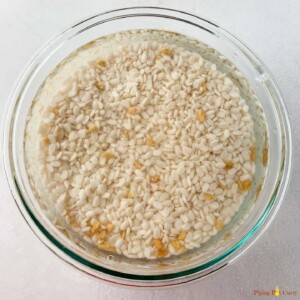
- Rinse idli rice with water until the water runs clear. Soak it in a separate bowl.
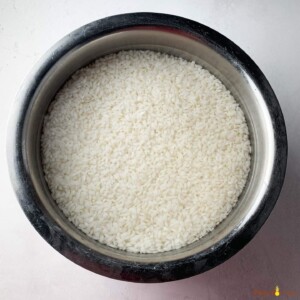
- Soak the dal and rice for 4 hours or overnight.
Grinding
- Drain the water from the dal and rice.
- Transfer the dal to the high-speed blender (or a wet grinder) and grind to a smooth paste. Add cold water or ice cubes (about 1/2 to 1 cup) as needed to grind the dal. Transfer the batter to the Instant Pot steel insert or another large bowl.
- Transfer the soaked idli rice to the grinder and grind it into a slightly coarse batter. Add cold water as needed to grind (about 1.5 to 2 cups). Transfer the batter to the same Instant Pot steel insert or another large bowl.
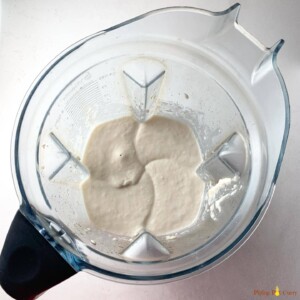
- Add salt and mix the batter well using your clean hands for a couple of minutes. The batter consistency should be neither thick nor runny, but rather it should be free-flowing.
Fermenting in Instant Pot
- Place the steel insert in the Instant Pot and cover with a glass lid (do not use the Instant Pot lid, as sometimes batter can overflow and lock the lid).
- Set the Instant Pot to Yogurt mode for 12 hours by pressing the Adjust and + buttons.
- After the time is complete, the batter will be fermented and ready to use. If the batter has not risen well, ferment it for a couple of more hours. The batter should be frothy and airy on top.
Fermenting batter without instant pot
- Transfer the batter to a large bowl and prepare it as mentioned, adding salt and mixing with clean hands. Then place it in the oven with the lights on (or on the counter in a warm climate). It will take anywhere from 10 to 14 hours, depending on the climate. I suggest checking after 10 hours, adding more time as needed.
Steaming Idli
- To make idlis, grease the idli molds with ghee or oil. Then add a small amount of batter to each mold. Add 1.5 cups of water to the Instant Pot or Idli cooker steel insert, then let it boil on sauté mode. Place the idli stand in the cooker and cook it in the steam mode in venting position (without whistle in a pressure cooker). Put a timer for 12 minutes, and the idlis will be ready. Turn off the heat. Let it stand for 5 minutes, then take the idlis out of the mold. Enjoy with sambar and coconut chutney.











Can pip method used to ferment dosa batter?
Hi Kavitha – I have not tried the pip method to ferment batter. But in theory it should work just as well similar to yogurt. I would add 1 cup water to the main pot.
Thanks for the reply Meeta. As I have a 8qt instant pot, I want to try PIP. Somehow my batter is not rising so want to try a different approach
Hi Kavitha – good idea to try a different approach. I have seen that the reason why the batter does not rise typically is that it got too heated when grinding. Add some ice cubes or cold water when grinding, then ferment it (in the pot or pot-in-pot).
I warm up water (1-2 cups) in the microwave and pour it into the inner pot. Then place my batter into IP using pip method. I use a steel bowl which makes it ferment really well.
We are unable to get our batter to rise. I’ve tried both IP and oven methods. With and without salt. Any ideas?
Hi Carey – I would ask some questions to find the issue. Are you using idli rice? Are you making sure that the batter does not get heated when grinding by adding ice or cold water? The batter consistency should be flowing before it is set to ferment. Are you mixing it with your hands after grinding? I hope these questions help figure out the issue with fermenting.
I’m planning to try this recipe soon, but I have a Ninja blender instead of a Vitamix. I’m worried that it will not blend finely enough – do you happen to know if people have had success with the Ninja blender before?
Thanks so much! 🙂
Hi Charlotte – I have not heard about Ninja, but know that it works well in a Blendtec. I would love to hear if you try it. You can also do a small amount initially if you are trying.
I use a ninja blender and the batter comes out really well. Then ferment in IP overnight.
I really value all the detail you put into this post! Thank you x
Hi what’ setting did you use on the vitamix to grind? Smoothie? Purée? Pulse?
Hi Dhara – My vitamix does not have the settings, just the manual option. If I had to guess, smoothie setting would be good, as we don’t want to heat up the batter.
Do you have any tips on grinding rice with the Vitamix? Mine seems to just cut each rice grain into two or three, does not make it smooth.
Hi Krithika – What rice did you use? Also were they soaked for 4+ hours? I use idli rice in this recipe which are specifically for making this batter.
Hey can we set yoghurt mode in high ? If yes for how long ?
Hi Vee – I have not tried with high setting for yogurt mode. I always keep the default normal setting and it works well. Sometimes I do have to keep it for couple of hours more, but it rises well with the normal setting.
Hi: What model of Vitamix have you used to grind the idli batter? Thanks – SS
I believe we have the 5300 model, however there may be newer models available now. I got the Vitamix from Costco.
At what stage do we add salt? Is it while soaking or when about to make idlis/ dosa once batter is fermented?Also, can I use Himalayan pink salt?
Hey Surbhi – I add the salt before fermenting the batter in the ip. Himalayan salt is non-iodized, so I assume it will work but I have not tried it before.
Can I use Sona masoori rice instead of idli rice?
Hey Surbhi – I have never tried idli with sona masoori rice, so it is hard for me to say if it will work.
I don’t have the glass lid for my instant pot. Can I just use the regular lid?
Hi Ambika – You can use a steel lid too. You can also use the instant pot lid, the only caution is that fill the instant pot less than half. So that the fermented batter does not lock the instant pot and create a mess.